Michigan Aggregate Industry: Understanding Sand & Gravel Mining (A Simple Overview)
Disclaimer: This page is intended as a general public education resource about Michigan’s aggregate industry, including sand and gravel mining, common terminology, and related land use concerns. It is not legal, engineering, environmental, or permitting advice. Mining proposals should be reviewed based on the specific site, local zoning ordinance, technical studies, permit requirements, and public record.
Sand and gravel may not seem exciting, but they are some of the most important raw materials mined and used in Michigan. These materials are called commonly called construction aggregates, and they are used to build roads, bridges, driveways, parking lots, concrete, asphalt, drainage systems, and building foundations.
Michigan’s sand and gravel deposits are closely tied to the state’s glacial history. As glaciers moved across the region, they broke down rock, carried sediment, and left behind layers of sand, gravel, cobbles, and stone. Today, those deposits are often found in glacial outwash, old meltwater channels, eskers, moraines, and other glacial landforms.
-> The Glacial History and Development of Michigan by Alice Wilson
Because aggregate is heavy and expensive to haul long distances, the industry often looks for deposits near areas where roads, housing, and infrastructure are being built. That is one reason sand and gravel mining can become a local land use issue, especially when proposed near homes, wetlands, streams, farms, schools, or groundwater-dependent areas.
What Is Aggregate?
Aggregate is a general term for loose mineral materials such as sand, gravel, and crushed stone. These materials are used in construction either by themselves or mixed into products like concrete and asphalt.
Common types of aggregate include:
- Sand
Small mineral particles, finer than gravel. Sand is used in concrete, asphalt, drainage systems, fill, and many construction projects. - Gravel
Larger rounded or partly rounded rock fragments. Gravel is commonly used in road bases, driveways, concrete, drainage, and construction fill. - Crushed stone
Rock that has been mined from a quarry and mechanically crushed into smaller pieces. Crushed stone is often angular, which helps it lock together in road bases and construction layers. - Natural aggregate
Sand, gravel, or stone that occurs naturally and is mined from a natural deposit. - Construction aggregate
Aggregate used for construction purposes, including roads, bridges, concrete, asphalt, foundations, and drainage systems.
For more terms/definitions: Common Aggregate Industry Terms
Why Does Sand and Gravel Matter in Michigan?
Michigan uses large amounts of aggregate because roads, bridges, buildings, and utilities all depend on it. Sand and gravel are especially important for:
- Road base and shoulder material
- Asphalt pavement
- Concrete
- Drainage layers
- Septic systems and utility bedding
- Driveways and parking lots
- Construction fill
- Erosion control and site grading
The U.S. Geological Survey lists Michigan as one of the leading sand and gravel producing states in the country. Nationally, construction sand and gravel is produced by thousands of companies and pits across all 50 states.
USGS 2024 Sand & Gravel Report
Where Does Michigan Aggregate Comes From?
Much of Michigan’s sand and gravel comes from deposits left behind by glaciers. These deposits are not spread evenly across the state. Some areas have high-quality, easily accessible sand and gravel. Other areas may have material that is too fine, too mixed with clay, too wet, too deep, or too close to sensitive natural features or neighborhoods.
Common sources include:
- Glacial outwash deposits
Sand and gravel deposited by meltwater flowing away from glaciers. - Eskers
Long, winding ridges of sand and gravel deposited by streams that once flowed under glaciers. - Kames and moraines
Hills, ridges, and irregular deposits left by glacial ice and meltwater. - Floodplains and old river deposits
Sand and gravel deposited by rivers and streams over time.
Glacial Landscapes by Michigan State University
How is Sand & Gravel Mined?
Sand and gravel mining is usually a form of surface mining, meaning the material is removed from near the land surface rather than from deep underground.
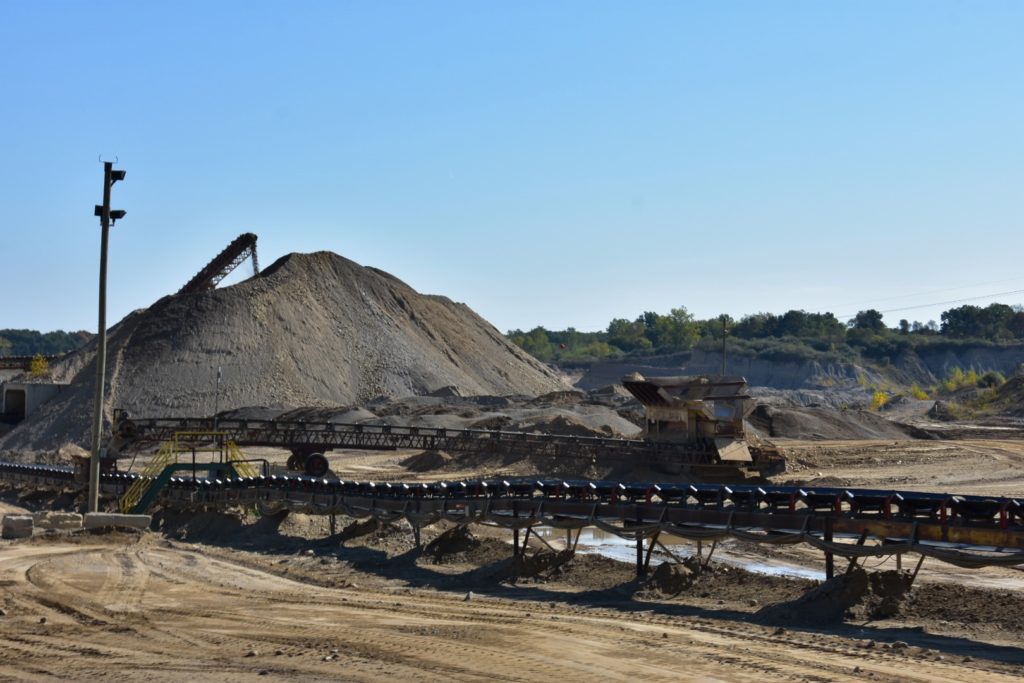
A typical sand and gravel operation may include:
- Removing vegetation and topsoil
- Removing overburden, which is the material above the sand and gravel deposit
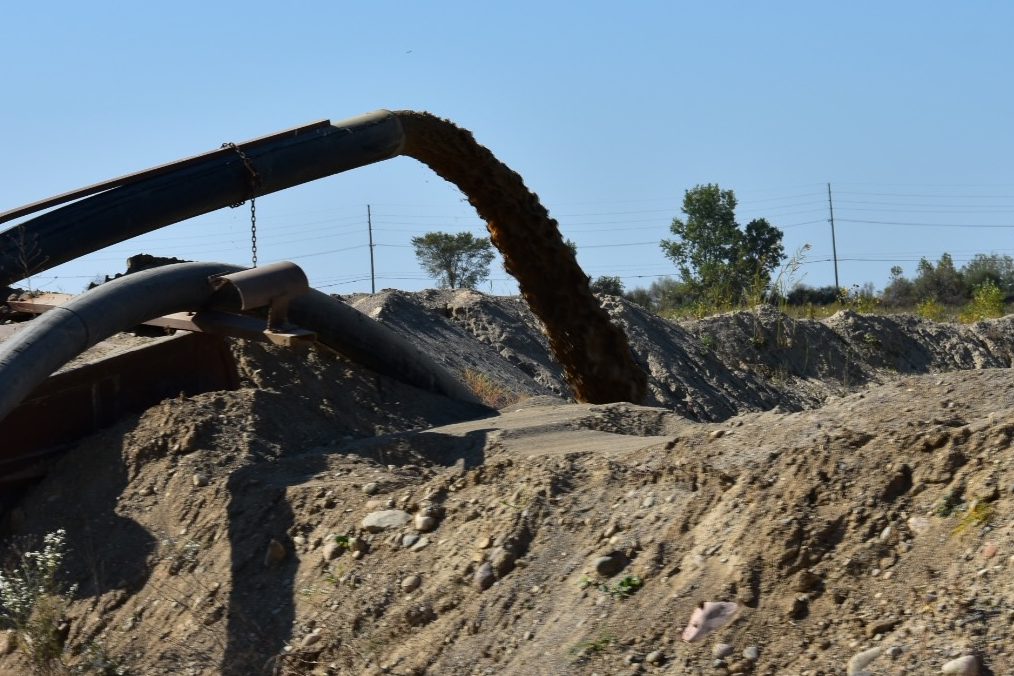
- Excavating sand and gravel with loaders, excavators, draglines, or dredges
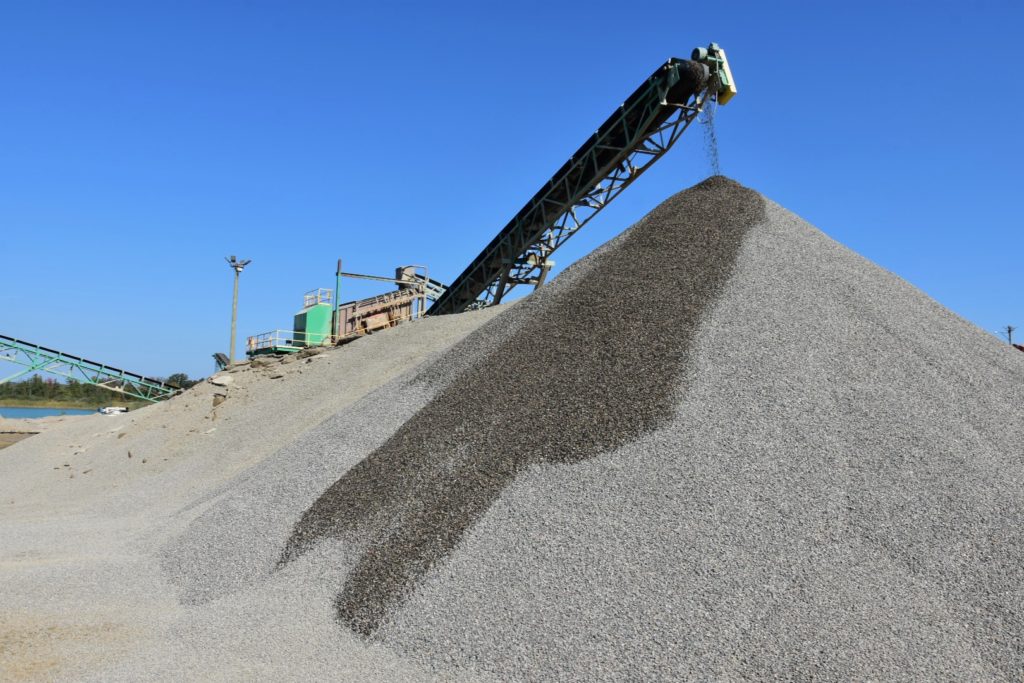
- Screening and washing the material by size
- Stockpiling different products
- Loading trucks for transport
- Reclaiming the site after mining is complete
Some mines stay above the water table. Others mine below the water table, which can create open-water ponds or lakes.
What is the Difference Between Dry Mining and Wet Mining?
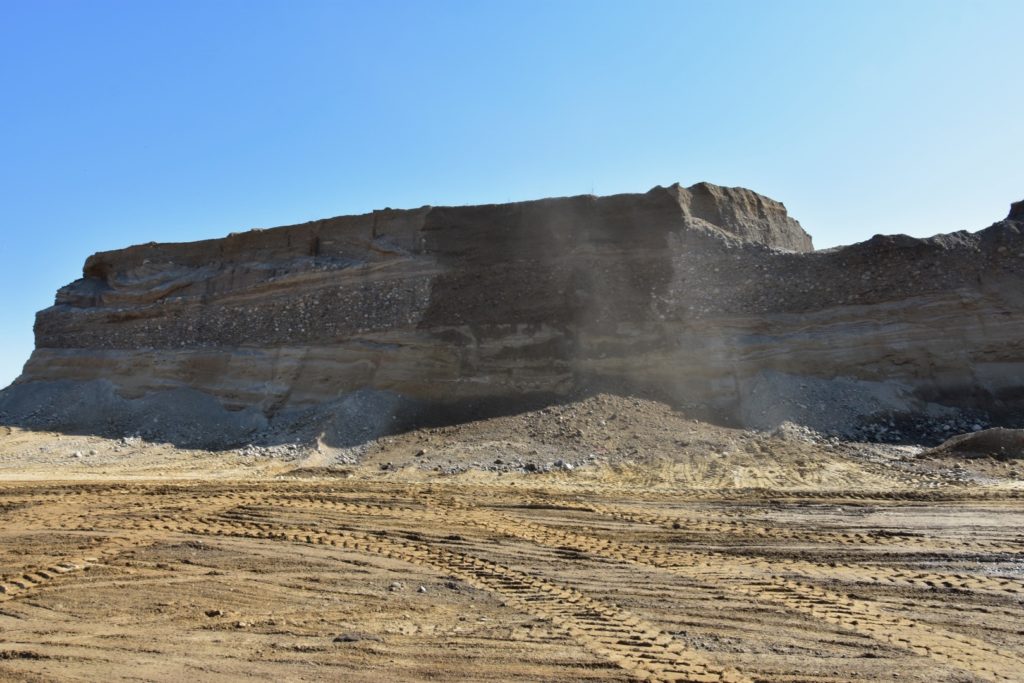
DRY MINING
Dry mining occurs above the water table. The pit floor remains mostly dry, although stormwater and runoff may still need to be managed.
Valid Concerns
Dry mining occurs above the water table, so it does not usually create a groundwater-fed lake or pond. However, it can still have major impacts. Dry mining often requires clearing vegetation, removing topsoil, excavating large areas, building berms, stockpiling material, and running heavy equipment. Public concerns may include dust, noise, truck traffic, road damage, loss of farmland or woodland, stormwater runoff, erosion, visual impacts, and long-term changes to the landscape. Even when mining stays above the water table, the removal of soil and vegetation can affect how water soaks into the ground and how the land drains after storms.
WET MINING
Wet mining occurs below the water table. In this type of mining, groundwater is exposed and a pond or lake may form.
Valid Concerns
Wet mining occurs below the water table, which means groundwater is exposed and a pond or lake may form. This can raise additional concerns because the mining pit becomes connected to the groundwater system. Public concerns may include impacts to nearby private wells, changes in groundwater flow, changes in water levels, effects on wetlands, and possible temperature changes in groundwater moving away from the pit. Research on below-water-table aggregate pits has found that exposed pit water can create warm and cool groundwater “thermal plumes” that move downgradient through the aquifer, which may matter near cold-water streams, wetlands, or sensitive habitat. Wet mining also leaves behind a permanent water feature, so the reclamation plan should be reviewed carefully.
Both dry and wet mining can affect nearby residents and the surrounding community. Common concerns include truck traffic, diesel exhaust, dust, noise, hours of operation, road safety, road maintenance costs, property values, impacts to wildlife habitat, and whether the site can truly be reclaimed in a way that fits the surrounding area. Both types of mining also require strong oversight, clear permit conditions, baseline data, monitoring, complaint procedures, and enforcement if problems occur.
What is MDOT’s Aggregate Source Inventory?
The Michigan Department of Transportation maintains an Aggregate Source Inventory that lists recorded aggregate sources in Michigan. MDOT’s Aggregate Source Inventory lists 955 aggregate sources in Michigan as of September 12, 2023.
This list can be helpful for understanding where aggregate sources are located, but it is not the same thing as a local zoning approval, environmental permit, or full technical review. MDOT states that the Aggregate Source Inventory provides a numerical listing of recorded sources with locations and directions, and does not include test result data.
Why is Aggregate Mining a Local Issue?
Sand and gravel are needed for roads and construction, but mining can also create serious local concerns. The impacts depend on the site, the size of the operation, the depth of mining, nearby land uses, groundwater conditions, truck routes, and the quality of the review process.
Common resident concerns include:
- Truck traffic and road safety
- Road damage and maintenance costs
- Dust from roads, stockpiles, and processing areas
- Noise from equipment, backup alarms, crushing, and trucks
- Impacts to private wells
- Groundwater drawdown or changes in flow
- Wetland, stream, and lake impacts
- Loss of farmland, woodland, or habitat
- Hours of operation
- Lighting and visual impacts
- Property values
- Long-term reclamation and future land use
What About Groundwater and Surface Water Considerations?
Sand and gravel deposits often store and move groundwater easily. This is one reason they can be valuable for both mining and water supply. It is also why groundwater review is important when mining is proposed near private wells, wetlands, lakes, or streams.
Important groundwater questions include:
- How deep is the water table?
- Which direction does groundwater flow?
- Are nearby homes on private wells?
- Could pumping or excavation lower water levels?
- Could wet mining change groundwater temperature?
- Are wetlands or streams connected to the same groundwater system?
- What monitoring will occur before, during, and after mining?
- What happens if wells, wetlands, or surface waters are affected?
Scientific studies have found that below-water-table aggregate pits can create warm and cool groundwater “thermal plumes” that move downgradient through aquifers. This matters most where groundwater discharges to cold-water or cool-water streams, wetlands, or sensitive habitat.
Source: Markle, J. M., & Schincariol, R. A. (2007). Thermal plume transport from sand and gravel pits – potential thermal impacts on cool water streams. Journal of Hydrology, 338(3–4), 174–195. https://doi.org/10.1016/j.jhydrol.2007.02.031
What about the Environmental Review and Permit Process?
In Michigan, aggregate mining is reviewed through local zoning and land use processes. In many communities, a proposed sand and gravel mine must apply for a Special Land Use Permit, also called a SLUP, before mining can be approved. A township, city, village, or county may review a mining proposal under its zoning ordinance, special land use process, or other local approval process.
State or federal permits may also be needed, depending on the site. These may involve wetlands, inland lakes and streams, floodplains, stormwater, air quality, soil erosion, or water withdrawal. A local land use approval does not automatically mean all state and federal environmental permits have been issued.
For residents, it is important to follow both tracks:
- Local land use review — zoning, special land use, site plan, conditions, traffic, hours, setbacks, and compatibility with surrounding land uses.
- Environmental permitting — wetlands, streams, groundwater, stormwater, air, and other regulated resources.
What Does “Very Serious Consequences” Mean?
Michigan has a special rule for mining and other valuable natural resources under the Michigan Zoning Enabling Act, often called the MZEA. This law says that local zoning cannot completely prevent the extraction of valuable natural resources unless “very serious consequences” would result from the extraction.
This does not mean a mining proposal must automatically be approved. It means the local government has to review the proposal carefully and consider whether the natural resource is valuable, whether there is a need for it, and whether mining would create very serious consequences for the community, environment, public health, safety, or surrounding land uses.
For residents, this makes the quality of the public record very important. General concerns may not be enough. Residents should try to connect concerns to specific facts, documents, studies, site conditions, expert review, and ordinance standards.
Examples of issues that may be relevant include groundwater impacts, private wells, wetlands, streams, wildlife habitat, truck traffic, road safety, dust, noise, hours of operation, slope stability, property impacts, reclamation, and whether permit conditions can actually be monitored and enforced.
Residents can also ask whether the township has received independent expert review. If the applicant says an impact will not happen, residents can ask: What data supports that? Was it reviewed independently? Were seasonal conditions studied? Is there baseline monitoring? What happens if the prediction is wrong?
The phrase “very serious consequences” is a legal standard, not just a common-sense phrase. Because of that, residents should focus on clear evidence, written questions, technical reports, and enforceable conditions.
What Questions Can Residents Ask About a Proposed Sand and Gravel Mine?
When reviewing a proposed sand and gravel mine, residents should not only ask questions — they should also look closely at the answers. A simple “yes,” “no,” or “we will comply” is not always enough. Residents should ask whether the answer is supported by data, whether the study was completed by an independent expert, whether seasonal conditions were considered, and whether the condition can actually be monitored and enforced.
Important questions include:
Size, depth, and mining method
- How many acres will be mined?
- How deep will mining go?
- Will mining occur above or below the water table?
- Will the mine use dry mining, wet mining, dredging, crushing, washing, or screening?
- Will mining happen in phases, and how long will each phase last?
Independent review
- Were the studies prepared by the applicant, the township, or an independent expert?
- Has the township hired independent experts to review groundwater, wetlands, traffic, noise, dust, air quality, and reclamation?
- Are the independent experts working for the township, not the applicant?
- Will the independent review include field verification, or only a review of the applicant’s paperwork?
- Will all reports, comments, and responses be made available to the public?
Groundwater and private wells
- Are nearby private wells being tested or monitored?
- Has an independent hydrogeologic study been completed?
- Will there be baseline water level and water quality data before mining begins?
- How long will groundwater monitoring continue during and after mining?
- What happens if nearby wells lose water, change quality, or show signs of impact?
- Who pays for replacement water, well repairs, deeper wells, or long-term monitoring if impacts occur?
Seasonal and year-round environmental review
- Were environmental studies completed during the right season?
- Were wetlands reviewed during wet and dry periods?
- Were wildlife and habitat studies completed during the correct survey windows?
- Were groundwater levels measured across different seasons, not just one point in time?
- Were spring snowmelt, heavy rain events, summer drought, and frozen-ground conditions considered?
- Will monitoring continue year-round, including during high-water and low-water periods?
Wetlands, streams, lakes, and habitat
- Are wetlands, streams, lakes, or regulated habitats on or near the site?
- Will mining change groundwater flow to wetlands or surface waters?
- Could mining affect wetland hydrology, stream temperature, or sensitive species habitat?
- Are there rare, threatened, or endangered species concerns?
- What buffers or setbacks are proposed around wetlands, woodlands, streams, lakes, and neighboring properties?
Traffic and roads
- How many trucks will enter and leave each day?
- What roads will be used as haul routes?
- Will trucks pass homes, schools, bus stops, parks, or busy intersections?
- Will roads need to be upgraded before mining begins?
- Who decides whether the road is safe and strong enough?
- Who pays for road damage, maintenance, dust control, and repairs?
- Will there be limits on truck hours, truck routes, and the number of trips per day?
Dust, noise, lighting, and daily operations
- What dust-control methods will be used?
- Will dust be monitored, or only addressed after complaints?
- What equipment will be used on site?
- Will crushing, washing, or processing occur on site?
- What are the proposed hours of operation?
- Will there be nighttime lighting, backup alarms, or weekend operations?
- How will noise be measured and enforced?
Reclamation and long-term land use
- What is the reclamation plan?
- Will the site become farmland, open space, wetlands, a lake, development land, or something else?
- Is the reclamation plan realistic based on the depth of mining and groundwater conditions?
- Will reclamation happen in phases, or only after mining is complete?
- Who makes sure reclamation is completed?
- Will financial assurance, bonding, or escrow be required to protect the public if the operator does not finish the work?
Enforcement and accountability
- What conditions will be attached to the approval?
- Who monitors compliance?
- Who enforces the conditions of approval?
- How often will inspections occur?
- Will monitoring reports be public?
- What is the complaint process for residents?
- What happens if the operator violates the permit conditions?
- Can the permit be paused, modified, or revoked if serious problems occur?
Residents should also ask for clear, written answers. If a response relies on a promise, assumption, or future plan, residents can ask: Where is that written? Who verifies it? Who pays for it? How often is it checked? What happens if it fails?
What is the Bigger Picture?
Michigan needs aggregate for roads, bridges, homes, and public infrastructure. But aggregate mining is not just an industry issue. It is also a land use issue, a water issue, a transportation issue, and a community planning issue.
The goal should not be to ignore the need for construction materials. The goal should be to make sure proposed mines are reviewed carefully, with clear public information, strong environmental data, enforceable conditions, and long-term accountability.
Good decisions require more than knowing that sand and gravel are present. They require understanding the full site: groundwater, wetlands, roads, nearby homes, habitat, hours of operation, truck traffic, reclamation, and the long-term future of the land.